 Facts checked Nov 19, 2026
GTIG says suspected China-nexus actor ARMORY CASTLE exploited a VMware vCenter authentication flaw from early September, so US teams patching today should also check whether the attacker was already in.
What happened
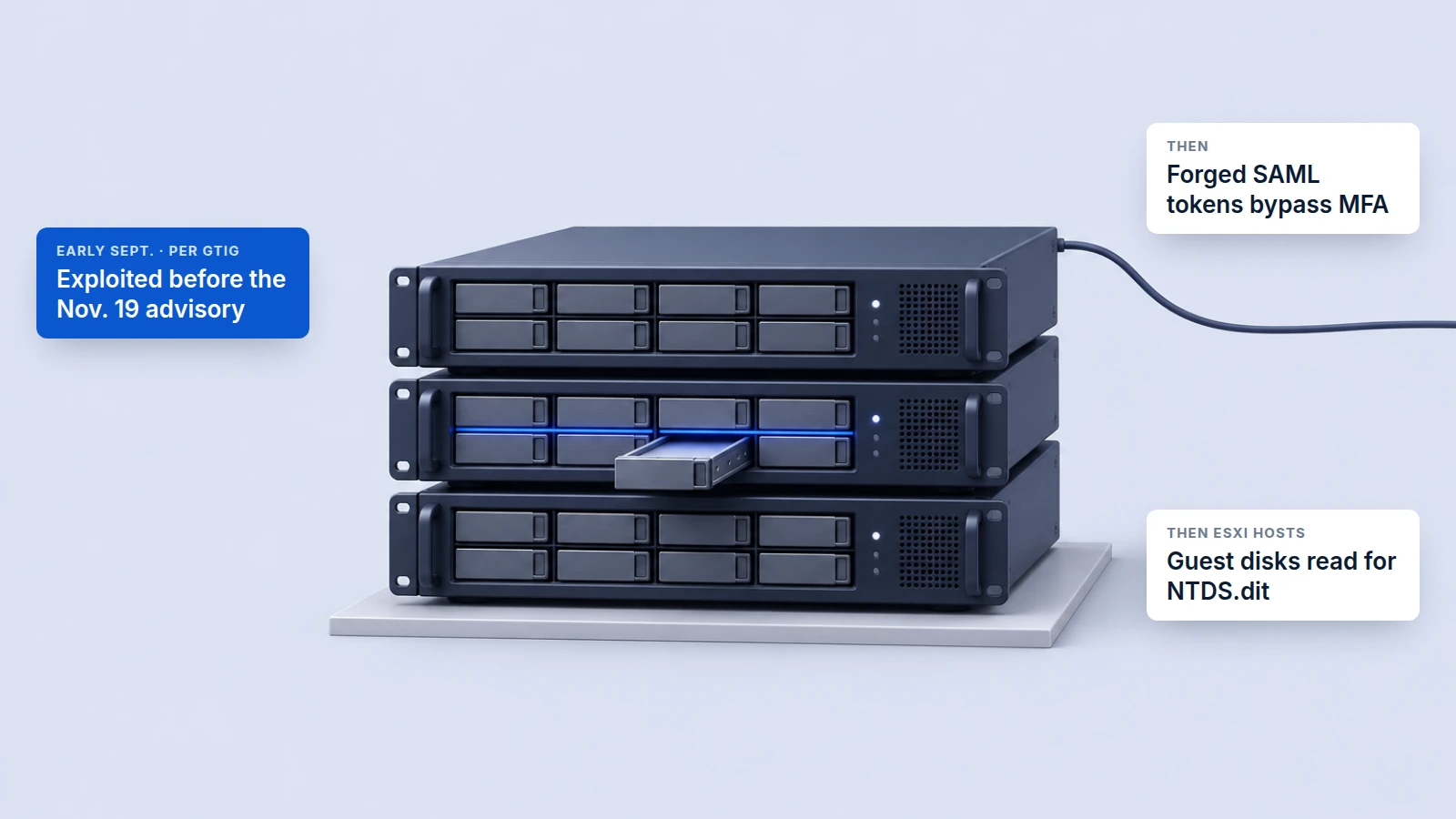
Google Threat Intelligence Group (GTIG) wrote on Nov. 19 that ARMORY CASTLE, formerly tracked as UNC5221 and the subject of GTIG's Oct. 15 report on a BeyondTrust Remote Support zero-day, exploited CVE-2026-123890 in early September 2026 "according to forensic evidence". It gave no day. GTIG said its exploit tool, BONESAW, ran against a vCenter already patched for the July flaw CVE-2026-59309; Broadcom calls the new bug "a new and distinct issue".
GTIG's chain: the actor moved from internal Linux appliances without EDR to vCenter, extracted the SAML signing key, forged administrator tokens that bypass MFA, created an SSO account, switched SSH on through the appliance management API, took the vCenter master key and database credentials, and switched it off again, logged in to ESXi, and read NTDS.dit and registry hives from guest disks. GTIG names SLIMSAVAGE, CAGEMATCH, BEARBONES, BONESAW, SAWSNAKE and LAZYBONES.
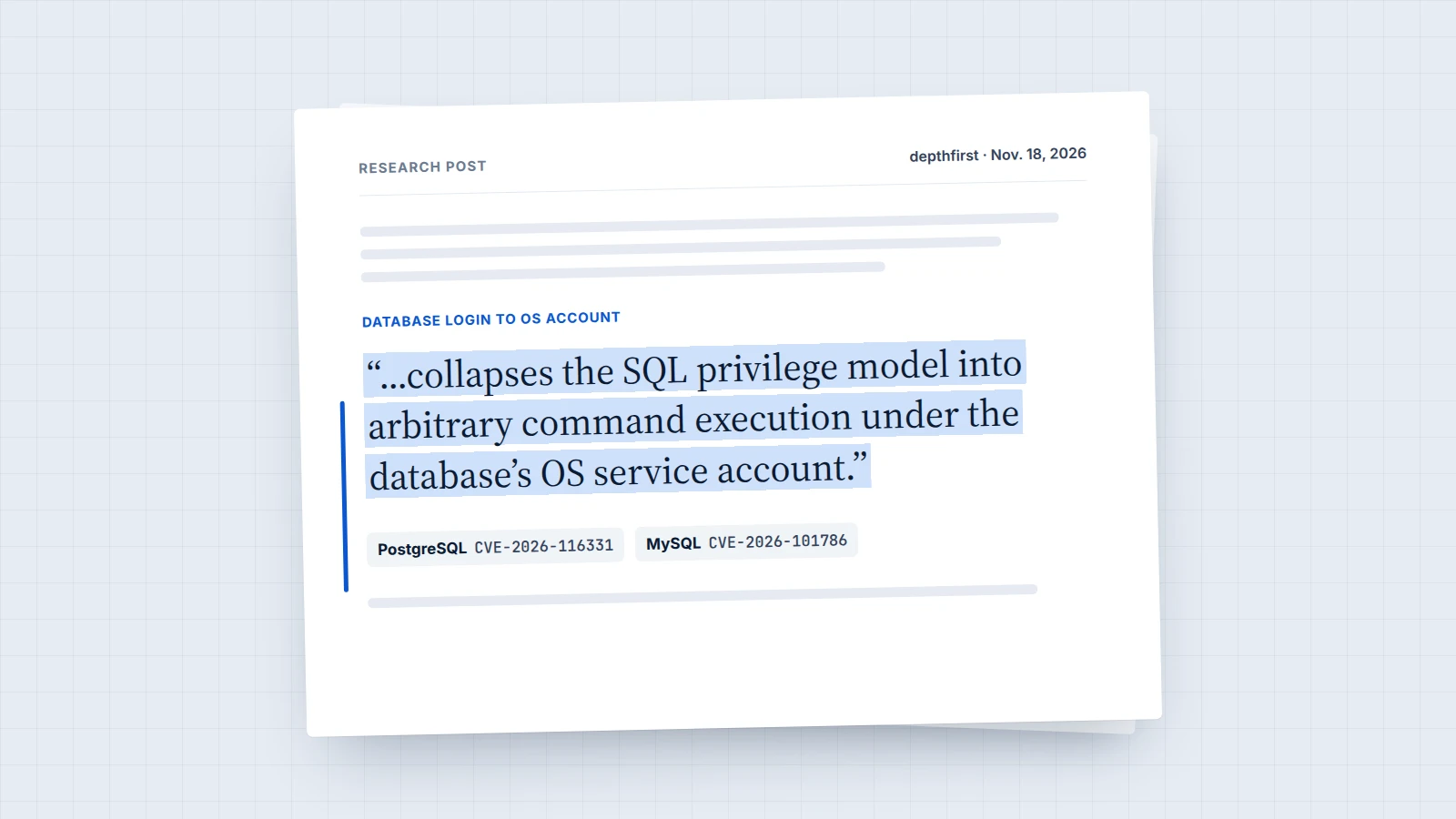
Broadcom's advisory VMSA-2026-0009 (CVSS 9.8, no workaround) calls it an authentication bypass in the VMware Directory Service. GTIG says it works through SRP-6a session key disclosure over DCE/RPC, resulting in an administrator@vsphere.local session. Neither the advisory nor Broadcom's FAQ says the flaw was exploited; only GTIG does.
Who is affected
Broadcom lists vCenter 7.0, 8.0, 9.0 and 9.1; GTIG names 7.x and 8.x. Exposure is any vCenter whose TCP 2012 (GTIG's port) a compromised host can reach. GTIG names no victim count, sector or country, and neither GTIG nor Broadcom says whether other actors have the exploit.
Fixes: 8.0 U3m, 9.0.2.0200, 9.1.1.0200, VCF 5.2.5. vCenter 7.0 has no public fix: the advisory says to contact Broadcom Support under an extended support contract.
What to do now
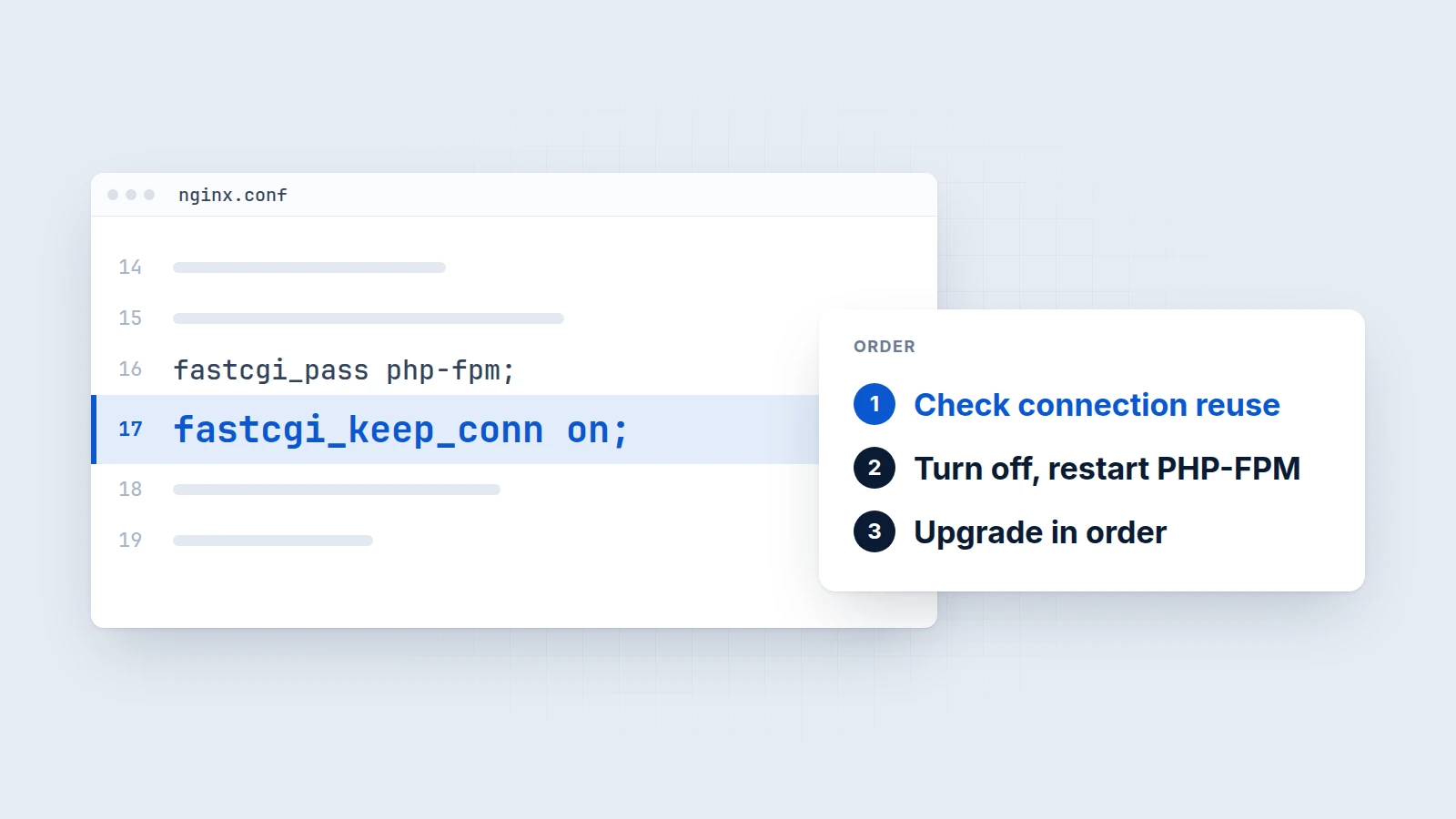
- Infrastructure, today: patch to the versions above. On 7.0, we would treat the network step below as your main control.
- Network, today: limit vCenter ports 443, 2012, 22 and 5480 to admin jump hosts. GTIG warns the VAMI firewall alone fails, since an attacker with VAMI access can disable it. Mandiant recommends its VCSA Hardening & Logging Tool; test it under change control.
- SOC, today: hunt back to early September, or as far as your logs go; in our view, logs that start later cannot rule the actor out. Look for:
- a rogue
sps-...@vsphere.localSSO account - PUTs to
/rest/appliance/access/ssh - vpxuser logins to the ESXi Host Client, root SSH logins on ESXi, a new root
authorized_keysentry, a hidden.adirectory on a VMFS volume - NTDS.dit and the SYSTEM and SECURITY hives pulled from guest disks
- a listener on TCP 53 or 33992 with banner
SSH-2.0-pulsesecure_23345 - folders named
extracted_tenant_signer_<host> - the files GTIG lists in Table 3:
ActiveSer.jsp,u.jsp,/tmp/123,/tmp/sss,/tmp/dbr,/usr/bin/vmtoolscs, plus an unfamiliar systemd service (LAZYBONES persists through one) - GTIG's 11 IPs, compromised third-party devices, so a hit is a lead, not proof: 103.147.251[.]5, 103.190.38[.]3, 118.174.128[.]34, 118.174.128[.]36, 118.174.128[.]38, 176.9.89[.]66, 185.71.15[.]109, 220.121.128[.]41, 222.108.77[.]44, 61.216.56[.]127, 81.45.89[.]43
- IR, on any hit: Neither GTIG nor Broadcom gives rotation advice for this flaw. In our analysis, a stolen signing key makes forged tokens work after patching, so replace the STS signing certificate (Broadcom KB 76719 describes the procedure for expired certificates), reset SSO credentials, treat Active Directory as compromised (krbtgt twice, privileged resets) and rebuild the appliance the actor came from.
- Asset owners, this week: list internal Linux appliances without EDR (remote support, VPN, monitoring) and segment them away from management ports.