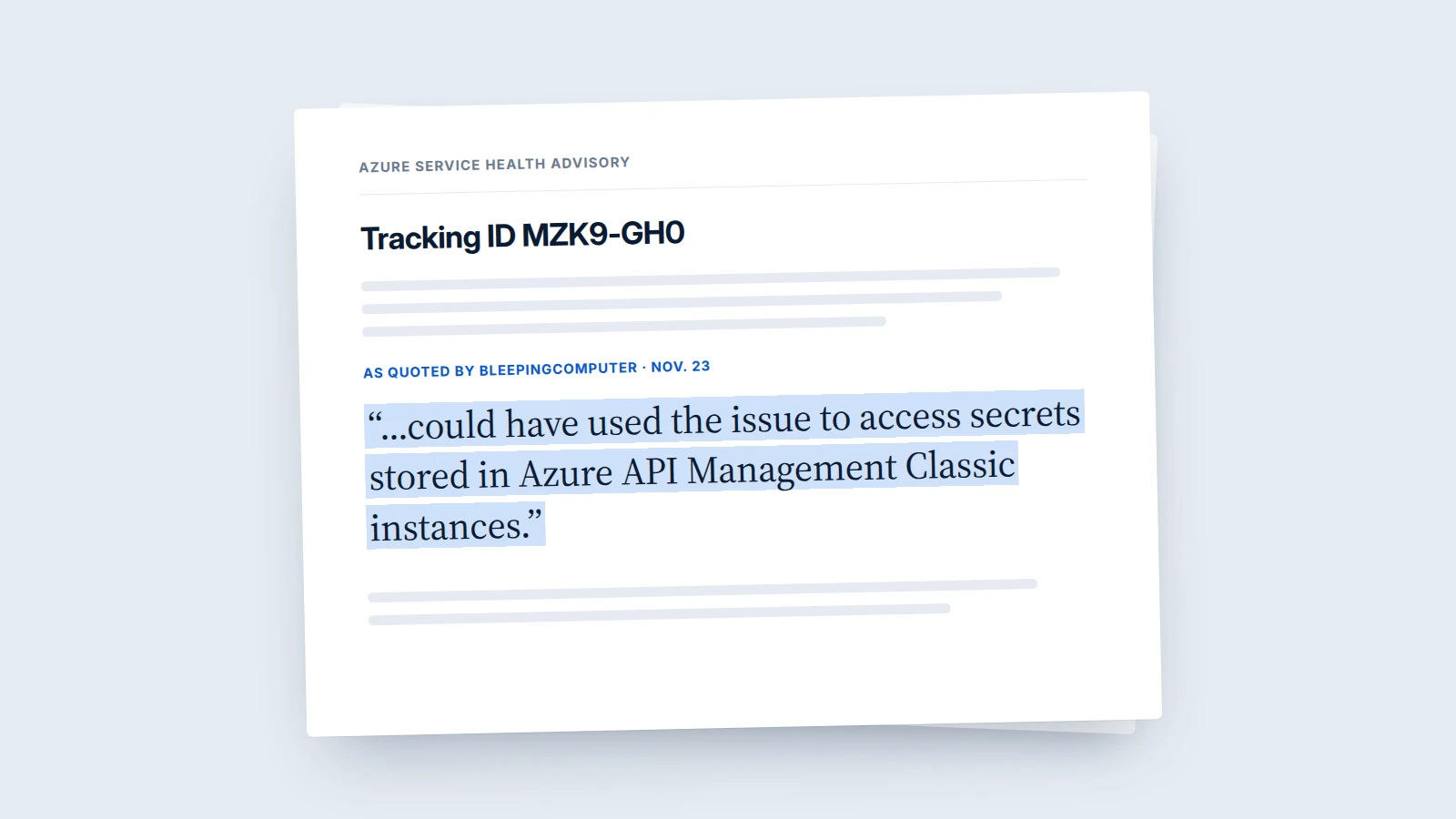
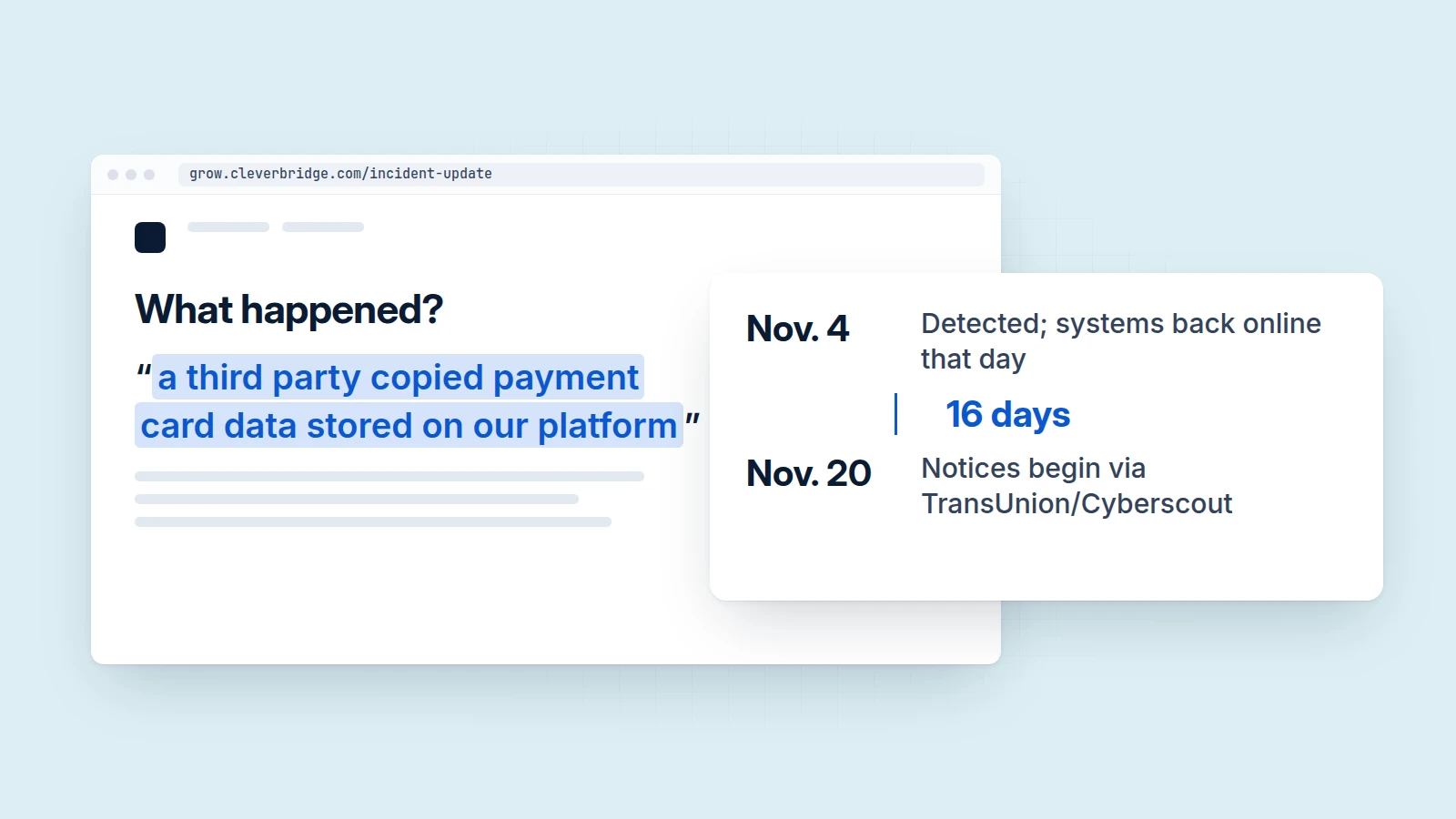
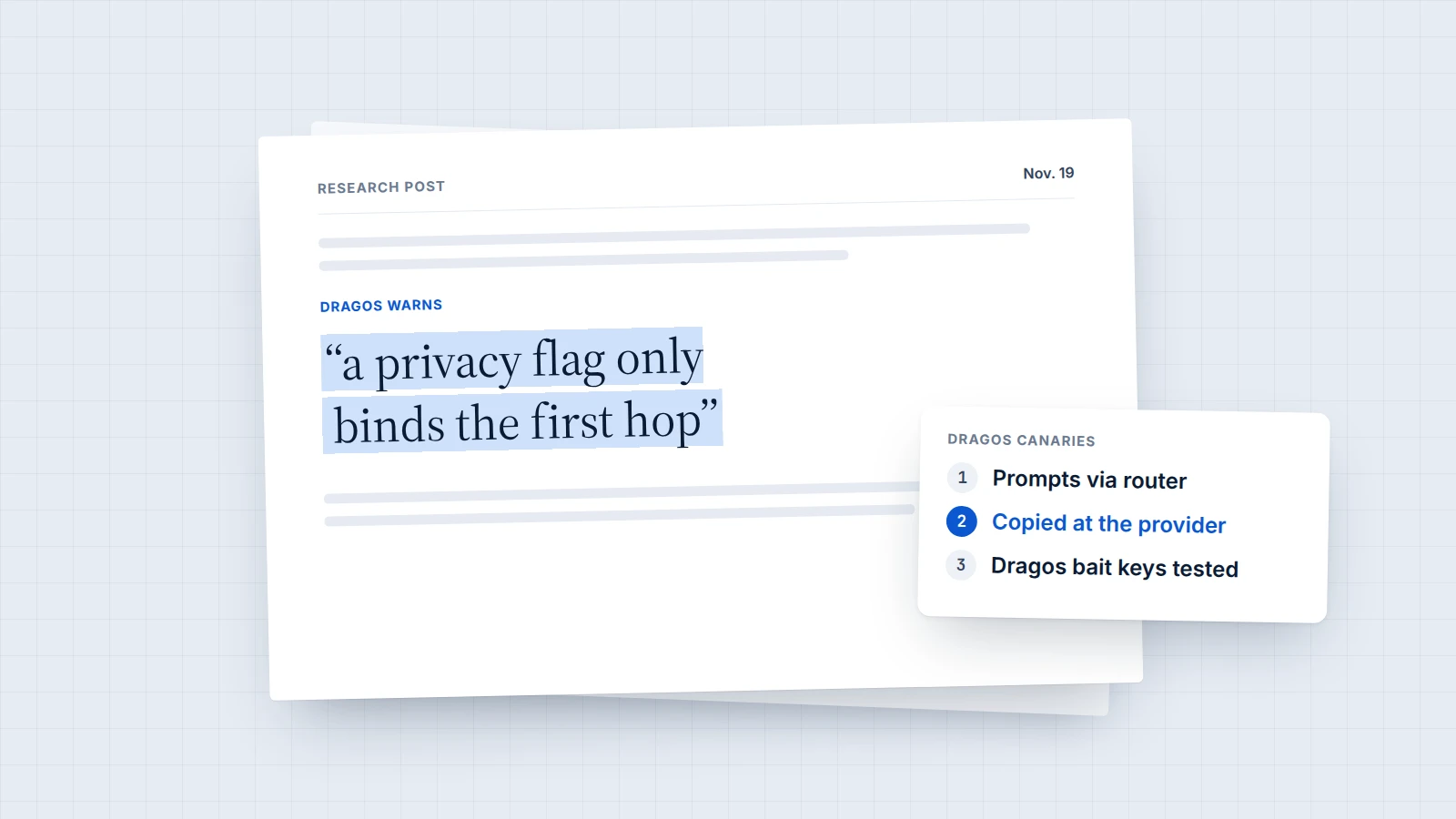
 Facts checked Nov 24, 2026
OpenAI and Cisco released Shirudo on Nov 23 to load signed mitigations into running Linux hosts, but as of Nov 24 its docs call it pre-release and require a custom kernel and a TPM. In our view that rules it out as cover for the kernel patch gap on a typical fleet today; patching and isolation remain the plan.
What happened
OpenAI said a Codex-generated shield blocked a Java4Shell exploit attempt against a running Elasticsearch service "without requiring a restart." Isovalent, a Cisco company, said it ran Elasticsearch 9.5.5 and that the mitigation "appears to be effective." That is the makers' own test, and the only one either post describes.
OpenAI says Shirudo is licensed under BSD 2-Clause (BPF programs dual BSD and GPL); the code is at github.com/shirudo-dev/shirudo. Isovalent says it is a rewrite of its Tetragon, and that Tetragon has been the foundation of Cisco's Live Protect. In Isovalent's account, an operator builds signed .bee packages and serves them from an OCI registry, and targets verify them; the docs say each load and unload is recorded in the TPM. Engineers or agents write the shields; the FAQ says a upatch is "plain BPF C." The docs say a shield can block or observe a vulnerable path; OpenAI's demo shield added an input check to Java's Base64 decoder. The docs also say a kernel shield cannot replace a function body and "covers the time until the machine runs a kernel with the fix." Once a fixed kernel or live patch is in, a signed unload removes it.
Who is affected
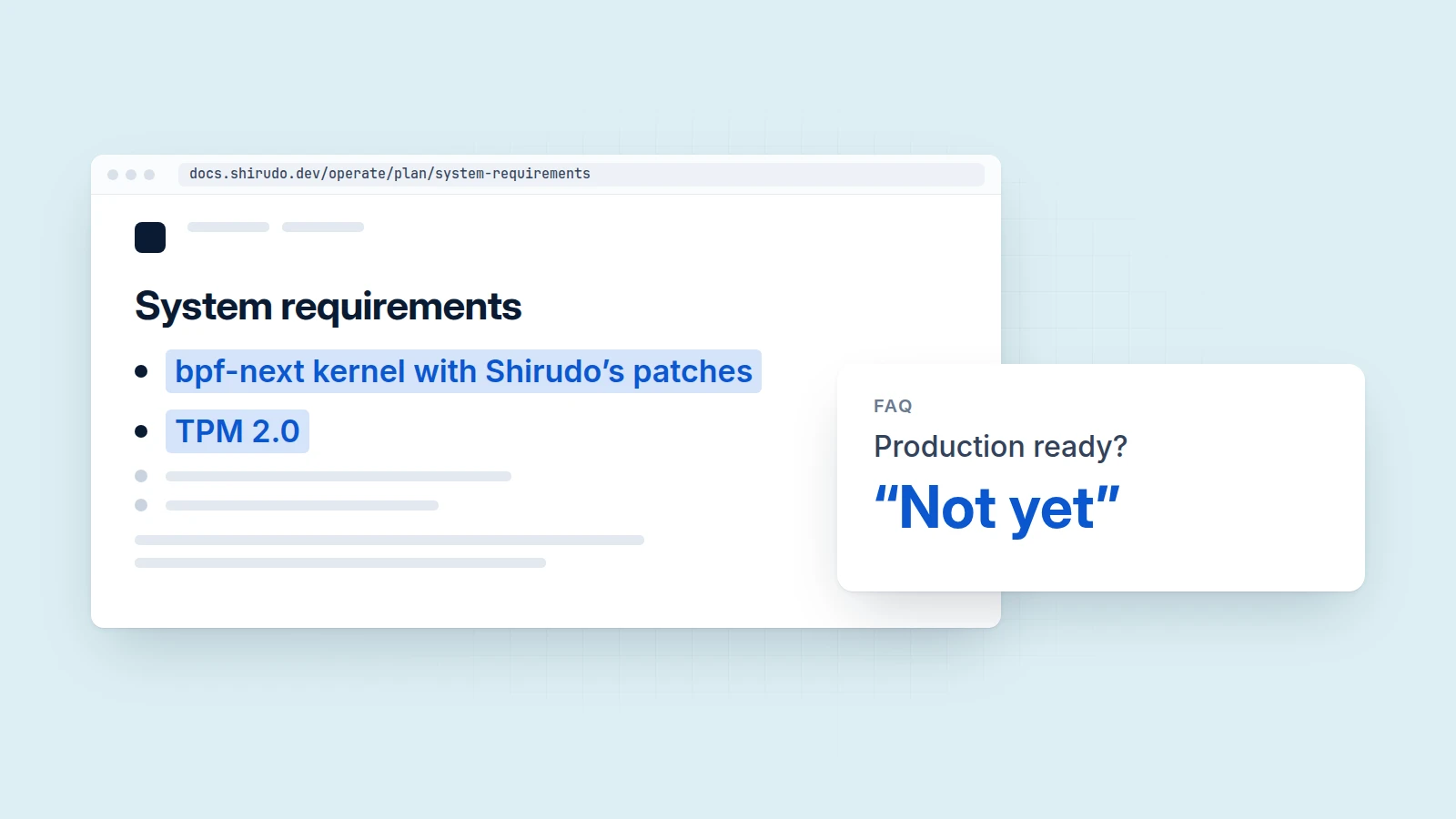
For teams weighing Shirudo to cover the gap from our Nov 6 piece on the 948 kernel exploits, the docs' system requirements page says a target needs:
- a bpf-next kernel with the signed-loader ABI and Shirudo's patches, built from shirudo-dev/kernel; there is "no compatibility mode and no fallback for an older kernel." The threat model says the features it needs are not in upstream Linux, and the docs do not name stock RHEL, Ubuntu or Debian kernels
- TPM 2.0; the FAQ says "There is no mode without one"
- systemd 256 or newer, a dracut systemd initrd, a unified kernel image booted through systemd-stub, and root
The FAQ answers "Not yet" when asked if it is production ready. It also says Cilium, Falco and bpftrace do not run on a target "as they are."
Where it stops
The threat model says Shirudo "establishes provenance, not correctness" and that a shield does what its author wrote, "disabling enforcement included." The FAQ says root with a way into the kernel, such as a kernel exploit, "goes around every check made in that kernel." The threat model adds that root can stop a running command and re-apply any published directive, including an unload. The Java agents page calls a Java shield "a mitigation inside the application, not a boundary the kernel enforces."
On Java, the repo README documents the same jar attaching to a running process; the docs' signed, TPM-recorded Java path reaches only JVMs started after the load. The README does not say whether the attach in the demo was signed or recorded.
OpenAI says an operator approves each shield and "security teams control what gets deployed." Isovalent says that step can be "more or less autonomous." The threat model puts a signed shield's correctness out of scope, so whoever approves an AI-written shield owns whether it is correct. OpenAI notes an exploit and a legitimate request may use the same operation, so a broad block "could take the service offline." Cisco asks users to "Show us where it breaks legitimate traffic."
What to do now
- Security engineering, this week: do not build Shirudo into the 948-flaw remediation plan. For kernel privilege escalation, keep the Nov 6 advice: patch cadence, isolation, and treating local code execution as root.
- Platform team, before any pilot: evaluate it only in the project's VM quickstart or the Isovalent lab, not production.
- Security architecture, before approving the next runtime mitigation and this quarter for those already running: ask of each (Shirudo, Tetragon policies, vendor virtual patching, WAF rules) whether each change is signed and logged, who approves it, how it was tested against legitimate traffic, and how it is removed after the patch.